
O que você está procurando?

Ambos montado no solo Sistemas solares em telhados são amplamente utilizados em projetos fotovoltaicos, mas os sistemas instalados no solo frequentemente oferecem vantagens que os tornam uma escolha melhor em determinadas situações. Fatores como eficiência energética, flexibilidade de instalação, facilidade de manutenção e escalabilidade contribuem para a crescente popularidade das soluções solares instaladas no solo.
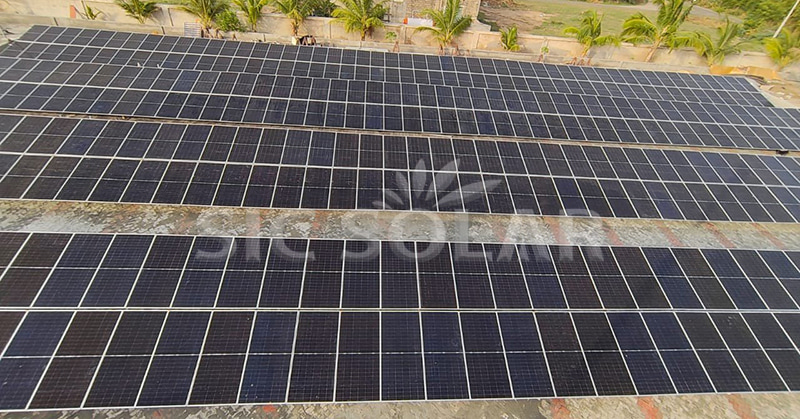
Uma das maiores vantagens dos sistemas instalados no solo é a flexibilidade de projeto e posicionamento. As instalações solares em telhados são limitadas pela forma, ângulo e orientação do telhado. Em contrapartida, os sistemas instalados no solo podem ser posicionados no ângulo e direção ideais para maximizar a exposição à luz solar. Essa flexibilidade pode melhorar significativamente a geração de energia ao longo do ano.
Os sistemas instalados no solo também evitam muitas das limitações estruturais associadas aos telhados. Alguns edifícios podem não ter resistência suficiente no telhado para suportar o peso adicional dos painéis solares e dos sistemas de montagem. Telhados mais antigos podem exigir reforço ou substituição antes da instalação, aumentando os custos do projeto. Os sistemas instalados no solo eliminam essas preocupações porque são instalados de forma independente sobre fundações dedicadas.
Outra vantagem importante é a escalabilidade. As instalações em telhados são limitadas pelo espaço disponível, o que pode restringir o número de painéis solares instalados. Os sistemas montados no solo podem ser expandidos com mais facilidade, tornando-os ideais para projetos comerciais, fazendas solares e propriedades com grandes áreas abertas. Fileiras adicionais de painéis podem ser adicionadas conforme a demanda de energia aumenta.
A manutenção e a acessibilidade também são muito mais fáceis com sistemas instalados no solo. Como os painéis são instalados ao nível do solo, a limpeza, as inspeções e os reparos podem ser realizados com mais segurança e eficiência. Os técnicos não precisam de equipamentos de segurança especializados para telhados, o que pode reduzir a complexidade da manutenção e os custos de serviço a longo prazo.
A eficiência de resfriamento é outro motivo pelo qual os sistemas instalados no solo podem apresentar melhor desempenho. Os painéis solares operam com maior eficiência em temperaturas mais baixas. Os sistemas instalados no solo geralmente contam com melhor circulação de ar ao redor dos painéis em comparação com os sistemas instalados em telhados, onde o calor pode se acumular entre a superfície do telhado e os painéis. Uma ventilação aprimorada ajuda a reduzir as temperaturas de operação e pode aumentar ligeiramente a produção total de energia.
Os sistemas instalados no solo também oferecem maior liberdade na escolha das estruturas de montagem e opções de fundação. Dependendo das condições do solo e dos requisitos do projeto, os instaladores podem usar parafusos de ancoragem, estacas cravadas ou fundações de concreto. Fabricantes como SIC Solar Fornecemos soluções de montagem fotovoltaica projetadas para diversas aplicações em solo, ajudando a garantir estabilidade estrutural e flexibilidade de instalação em diferentes ambientes.
O controle do sombreamento é outra vantagem. Sistemas instalados em telhados podem sofrer sombreamento devido a chaminés, edifícios próximos, árvores ou equipamentos no telhado. Sistemas instalados no solo geralmente podem ser colocados em áreas abertas com obstruções mínimas, melhorando a exposição à luz solar e a produção de energia.
Além disso, os sistemas instalados no solo são altamente adaptáveis a aplicações especializadas. Podem ser integrados em projetos agrícolas por meio de sistemas agrivoltaicos, instalados sobre estacionamentos como coberturas solares para carros ou combinados com sistemas de rastreamento solar para aumentar a geração de energia.
Apesar dessas vantagens, os sistemas instalados em telhados ainda são viáveis para muitas instalações residenciais e urbanas onde a disponibilidade de terreno é limitada. No entanto, para projetos com espaço suficiente e foco na maximização da eficiência, escalabilidade e facilidade de manutenção, os sistemas solares instalados no solo são frequentemente considerados a melhor solução a longo prazo.
Um planejamento cuidadoso, uma avaliação adequada do local e estruturas de montagem confiáveis são essenciais para alcançar todos os benefícios de uma instalação solar em solo. Com sistemas de suporte duráveis e layouts otimizados, os projetos solares em solo podem fornecer um desempenho de energia renovável estável e eficiente por décadas.



 IPv6 Rede suportada
 português
  English
 Deutsch
 español
 Nederlands
 العربية
 日本語
日本語 한국의
한국의 Melayu
 Tiếng việt